Mastering the Timeline Chart for Business Success
Understanding and effectively using a Timeline Chart can transform how you present business processes, workflows, and project timelines. This infographic tool is not just a visual aid; it's a powerful way to communicate complex information clearly and engagingly.
What Makes a Timeline Chart Stand Out?
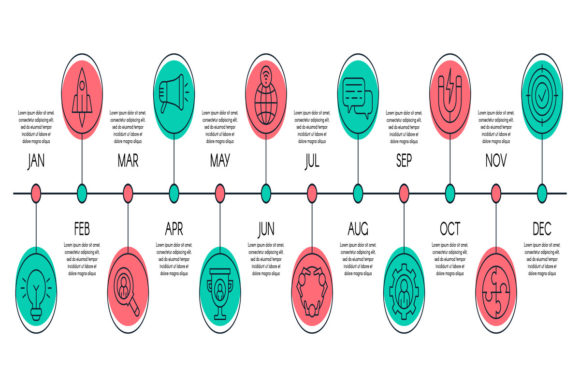
A Timeline Chart is characterized by its clean, organized layout, often featuring a linear or circular design. These charts typically use stage circles, lines, and text to represent different phases and milestones. The visual appeal of a Timeline Chart lies in its simplicity and clarity, making it an ideal choice for both digital and print presentations.
The personality of a Timeline Chart is professional yet approachable. It’s designed to be straightforward and easy to read, which makes it perfect for a wide range of audiences, from corporate clients to casual readers. The style is modern and versatile, fitting well with various brand identities and design aesthetics.
Where Does a Timeline Chart Work Best?
A Timeline Chart is incredibly versatile and can be used across multiple platforms and projects. Here are some key areas where it shines:
- Business Process Steps: Clearly outline the stages of a business process, from initial planning to final execution.
- Workflow Time Scale: Visualize the timeline of a project, showing when each task begins and ends.
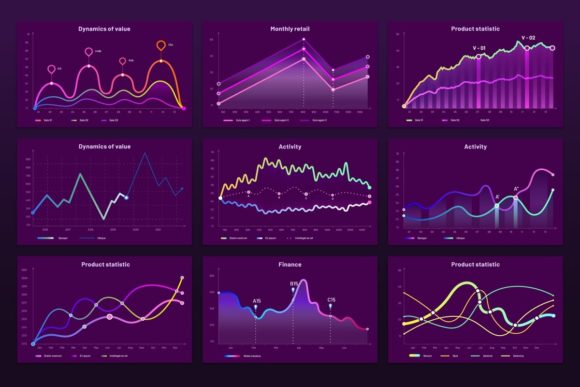
- Infographic Charts: Create engaging infographics that break down complex data into digestible segments.
- Development Data: Present development milestones and achievements in a structured, chronological order.
- Presentation Vector Concept: Use vector graphics to create scalable, high-quality charts for presentations and reports.
Whether you’re a designer, entrepreneur, marketer, or content creator, a Timeline Chart can help you convey your message more effectively. Its ability to simplify and organize information makes it a valuable tool in any creative or business setting.
Choosing and Using a Timeline Chart
When selecting a Timeline Chart, consider the following factors to ensure it meets your project needs:
- Project Fit: Evaluate whether the chart’s style and layout align with your project’s goals and audience. For instance, a linear timeline might be more suitable for a step-by-step process, while a circular one could be better for cyclical or recurring events.
- Readability: Ensure the chart is easy to read and understand. Use clear, legible fonts and appropriate color schemes to enhance readability.
- Font Pairings: Choose complementary fonts for labels and descriptions. Sans serif fonts are generally good for body text, while serif or script fonts can add a touch of elegance to titles and headings.
- Included Styles: Review the available styles and variations in the chart. Some may offer different color palettes, line styles, and icon sets, allowing you to customize the chart to fit your brand identity.
- Commercial Licensing: If you plan to use the chart for commercial purposes, make sure to check the licensing terms. Many premium charts come with flexible licensing options to suit various business needs.
Testing and iterating on your Timeline Chart is also crucial. Gather feedback from stakeholders and make adjustments as needed to ensure the chart is as effective and engaging as possible.
Real-World Examples and Practical Tips
Let’s look at a few real-world examples to see how a Timeline Chart can be used effectively:
- Business Startup Diagram: A startup can use a Timeline Chart to map out the key milestones from ideation to launch, helping investors and team members understand the project’s progress and future plans.
- Editorial Design: In a magazine or report, a Timeline Chart can be used to illustrate the history of a company or the development of a new product, providing a visually appealing and informative addition to the content.
- Social Media Graphics: For social media, a Timeline Chart can be a great way to share the journey of a campaign or event, breaking down the steps and achievements in a format that’s easy to share and engage with.
Remember, the key to a successful Timeline Chart is clarity and simplicity. Keep the design uncluttered, use consistent colors and fonts, and focus on the most important information. By doing so, you can create a chart that not only looks great but also delivers your message effectively.
In conclusion, a Timeline Chart is a versatile and powerful tool for anyone looking to present information in a clear, engaging, and professional manner. Whether you’re working on a business presentation, a marketing campaign, or a personal project, a well-designed Timeline Chart can make a significant difference in how your message is received and understood.